
Elevator Doors Complete Guide for Safety, Design, and Performance in Saudi Arabia
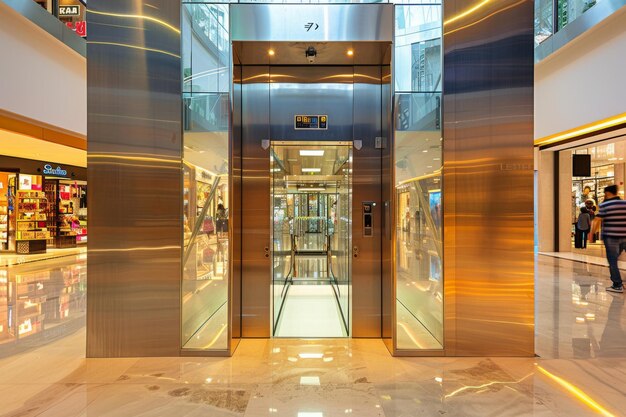
Elevator doors are among the most important components of any elevator system. While passengers often focus on the elevator cabin, speed, or design, elevator doors play a critical role in ensuring safety, efficiency, accessibility, and smooth operation. Whether installed in residential villas, commercial towers, hospitals, hotels, shopping centers, or industrial facilities, Elevator Doors directly impact user experience and building performance.
As Saudi Arabia continues to experience rapid urban development through projects aligned with Vision 2030, demand for advanced elevator systems has grown significantly. Modern buildings in Riyadh, Jeddah, Dammam, Mecca, Medina, and other regions require reliable Elevator Doors that meet safety standards while enhancing aesthetics and functionality.
From Home Elevators and panoramic elevators to bed elevators and restaurant elevators, choosing the right door system can improve accessibility, reduce maintenance issues, and provide long-term value. Understanding the different types of elevator doors, their safety features, maintenance requirements, and applications helps property owners and facility managers make informed decisions.
This guide explains everything you need to know about elevator doors and how they contribute to safe and efficient vertical transportation in Saudi Arabia.
What Are Elevator Doors
Elevator doors are specialized mechanical systems designed to provide safe access between elevator cabins and building floors. They open and close automatically or manually to allow passengers and goods to enter and exit while preventing access to the elevator shaft.
Modern elevator doors are equipped with advanced safety mechanisms, sensors, locking systems, and automation technologies that ensure smooth operation and passenger protection.
How Elevator Doors Work
Elevator doors operate through a combination of mechanical, electrical, and safety systems.
When an elevator arrives at a designated floor, the door operator receives a signal from the control system. The operator activates a motor that opens both the car door and landing door simultaneously. Sensors monitor the doorway to detect obstacles and prevent accidental closure.
Once passengers enter or exit, the doors close automatically and lock securely before the elevator begins moving.
Modern systems include:
- Door operators
- Infrared sensors
- Safety edges
- Electronic locking devices
- Smart control systems
- Automatic reopening mechanisms
These technologies help ensure passenger safety and reliable elevator operation.
Types of Elevator Doors
Different buildings require different elevator door configurations depending on available space, traffic volume, and design requirements.
Automatic Elevator Doors
Different buildings require different elevator door configurations depending on available space, traffic volume, and design requirements.
Automatic Elevator Doors
Automatic elevator doors are the most common option in modern buildings. They open and close without manual intervention, improving convenience and accessibility.
These doors are widely used in:
- Residential buildings
- Commercial offices
- Hotels
- Hospitals
- Shopping malls
Benefits include enhanced safety, faster operation, and reduced physical effort for users.
Center Opening Doors
Center opening doors consist of two panels that slide apart from the center.
Advantages include:
- Elegant appearance
- Faster opening speeds
- Wide entrance clearance
- Smooth passenger flow
These doors are commonly found in high-traffic commercial buildings and luxury developments.
Side Opening Doors
Side opening doors move in a single direction.
They are often selected when space constraints prevent the installation of center opening systems.
Common applications include:
- Residential elevators
- Small commercial properties
- Service elevators
Telescopic Doors
Telescopic doors use multiple panels that slide behind one another.
Benefits include:
- Maximum opening width
- Efficient space utilization
- Suitable for narrow elevator shafts
They are frequently used in hospitals and commercial facilities.
Glass Elevator Doors
Glass elevator doors combine functionality with modern aesthetics.
These doors are popular in:
- Luxury villas
- Hotels
- Shopping centers
- Corporate offices
Glass designs help create a bright, spacious, and visually appealing environment.
Panoramic Elevator Doors
Panoramic Elevator systems typically incorporate glass doors and transparent cabins to provide passengers with exterior views during travel.
These elevators enhance architectural appeal and are widely used in:
- Hotels
- Shopping malls
- Premium residential developments
- Commercial towers
Elevator Doors for Home Elevators
Home Elevators have become increasingly popular in Saudi Arabia, particularly in multi-story villas and luxury residences.
Choosing the right elevator door for a home elevator involves considering:
- Safety
- Accessibility
- Noise levels
- Design preferences
- Space availability
Automatic sliding doors are often preferred because they provide convenience while maintaining a clean and modern appearance.
For families with elderly members or individuals with mobility challenges, properly designed elevator doors can significantly improve daily accessibility.
Elevator Doors for Commercial Buildings
Commercial environments experience higher passenger traffic and require durable door systems capable of handling continuous operation.
Commercial elevator doors should provide:
- Fast opening and closing speeds
- Reliable performance
- Advanced safety features
- Long service life
- Low maintenance requirements
Office towers, shopping centers, and hotels often use center-opening automatic doors to support efficient traffic flow.
Elevator Doors for Hospitals and Bed Elevators
Hospitals require specialized elevator door systems designed to accommodate stretchers, wheelchairs, medical equipment, and patient transportation.
Bed Elevator doors typically offer:
- Wider openings
- Smooth operation
- Enhanced safety systems
- Reliable emergency functionality
Healthcare facilities depend on these systems to ensure safe and efficient patient movement throughout the building.
Elevator Doors for Restaurant Elevators
Restaurant Elevators, often used for food transportation and service operations, require compact yet durable door systems.
Important considerations include:
- Hygiene
- Reliability
- Space efficiency
- Smooth operation
Properly maintained elevator doors help improve workflow while minimizing service interruptions.
Key Elevator Door Safety Features
Safety remains the most important aspect of any elevator door system.
Door Safety Edges
Safety edges are pressure-sensitive devices that stop or reverse door movement when contact is detected.
These systems provide an additional layer of protection.
Electronic Door Locks
Elevator doors remain securely locked whenever the elevator is not positioned at a landing.
These locks prevent accidental access to the elevator shaft.
Emergency Reopening Systems
Modern elevators automatically reopen doors if an obstruction is detected during closing.
This feature improves passenger safety and convenience.
Benefits of Modern Elevator Doors
Modern elevator doors offer numerous advantages for building owners and users.
Enhanced Safety
Improved Accessibility
Better Energy Efficiency
Improved Building Value
High-quality elevator doors contribute to a building’s functionality and appearance, increasing property value.
Reduced Maintenance Issues
Common Elevator Door Problems
Even advanced systems require regular maintenance to prevent issues. Common elevator door problems include:
Sensor Failures
Door Misalignment
Worn Rollers and Tracks
Door Operator Malfunctions
Electrical Problems
Faulty wiring or damaged control systems may affect door functionality.
Regular inspections help identify these issues before they lead to costly repairs.
Elevator Door Maintenance Requirements
Preventive maintenance is essential for ensuring safe and reliable operation.
Professional maintenance programs typically include:
- Door alignment checks
- Sensor testing
- Track cleaning
- Roller inspection
- Operator maintenance
- Safety testing
- Electrical inspections
Routine servicing helps extend equipment lifespan while reducing unexpected downtime.
Elevator Door Cost Factors
The cost of elevator doors varies depending on several factors.
|
Factor |
Impact on Cost |
|
Door Type |
Higher-end systems cost more |
|
Material |
Glass and premium finishes increase pricing |
|
Automation Features |
Advanced sensors add cost |
|
Building Requirements |
Customization affects budget |
|
Installation Complexity |
Complex projects require additional labor |
|
Maintenance Needs |
Long-term servicing costs vary |
Property owners should evaluate both initial investment and long-term maintenance requirements when selecting elevator doors.
Elevator Doors and Saudi Arabia's Growing Construction Sector
Saudi Arabia continues to invest heavily in residential, commercial, healthcare, hospitality, and infrastructure projects.
Modern developments across Riyadh, Jeddah, Dammam, Mecca, and Medina increasingly require advanced elevator door solutions that meet international safety standards and support efficient building operations.
As building technology evolves, smart elevator systems and advanced door technologies are becoming essential components of modern construction projects throughout the Kingdom.
Expert Tips for Choosing Elevator Doors
Selecting the right elevator door system requires careful planning.
Consider:
- Building type
- Traffic volume
- Accessibility requirements
- Safety standards
- Design preferences
- Maintenance support availability
- Future modernization opportunities
Working with an experienced elevator company helps ensure the selected solution meets operational and safety requirements.
Common Mistakes to Avoid
Many building owners encounter issues because of poor planning or inadequate maintenance.
Common mistakes include:
- Choosing doors based only on price
- Ignoring safety features
- Delaying maintenance
- Selecting unsuitable door types
- Hiring inexperienced installers
- Overlooking future maintenance requirements
Avoiding these mistakes can improve performance and reduce lifecycle costs.
Frequently Asked Questions
Preventive maintenance helps reduce breakdowns, extend equipment lifespan, and improve passenger safety.